Why does my Oklahoma area business need to consider an access control system in 2026?
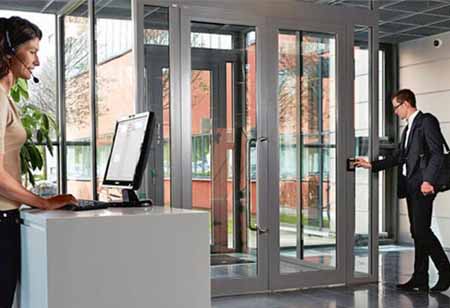
The purpose of an access control systemaccess control system is to provide quick, convenient access to those persons who are authorized, while at the same time, restricting access to unauthorized people. The value of data, computer systems and company information makes this investment one that hundreds of Tulsa OK companies realize the value of. Oklahoma business owners are moving towards analytics and logistics and a system for entry, exit and data access information can be a game changer in business decisions. Let our Oklahoma access control system partners solve your needs today.
What is an access control system?
An access control systemaccess control system is a personnel and data protection system that decides is allowed to enter or exit, where they are allowed to exit or enter, and when they are allowed to enter or exit. Historically, this was partially accomplished through keys and locks. Today many Tulsa businesses are taking a more modern approach to access control systems so they can also monitor usage, access and employee habits in forming Tulsa area business and logistics strategies.
How much does an access control system cost in 2026?
Industry averages in the Tulsa region for electronic access controlelectronic access control devices on doors ranges $1,000 to $4,000 per door installed. Access control systems prices vary greatly by the technology, part of Tulsa state you are in and door entry choices you settle on. The systems that store and monitor data, software and advanced door reader types increase this cost greatly. Tulsa area access control prices sourced from 2026 Bing data.
What is the cost of access control system card readers on my office doors for a facility located in Tulsa?
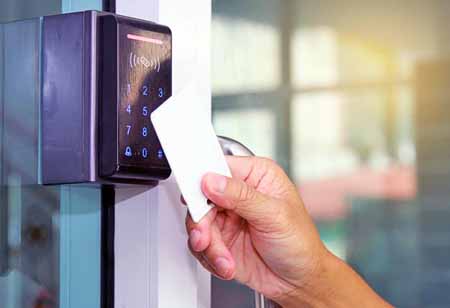
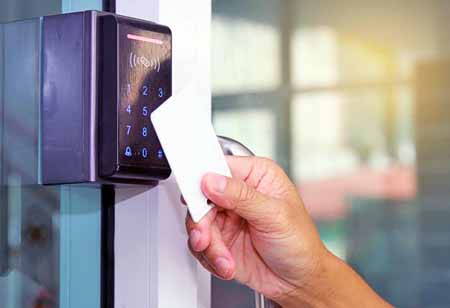
Initially, card and reader access systems can cost $2,500 or more per door to install. Our Tulsa area installers and partners can discuss the benefits of each type of reader and software choice. All card readers with modern features will require systems and software to support and use that is available in Tulsa.
How much is biometric access control?
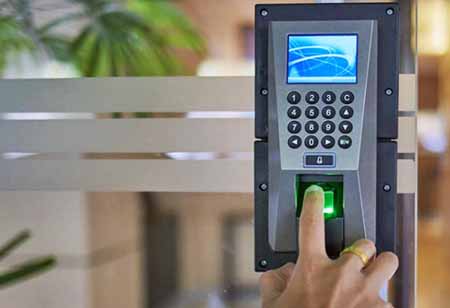
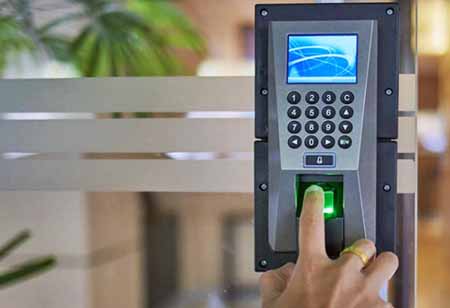
A biometric access control systems can be anywhere from $2,300-$10,000 per door when you factor in the biometric scanner, electronic locking system, software integration, location and type of Tulsa building or facility (door types and needs) and installation. The scanners can be fingerprint, retinal scan and many other versions of each which make the price range so large for biometric access control systems. One of the fastest growing types of building access control in the Tulsa market is biometric fingerprint.
How much does a fingerprint door entry pad cost?
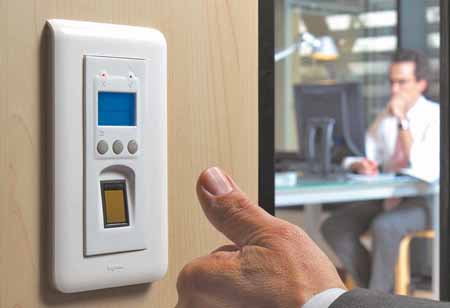
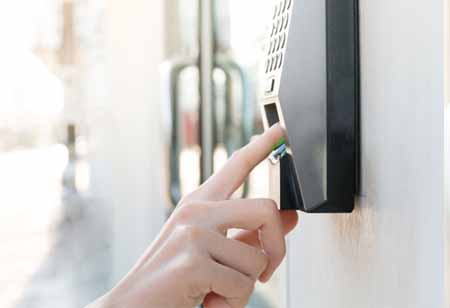
Fingerprint access for your Tulsa office is a option of most biometric access control systems and the cheapest option of biometric entry device. The cost with all the supporting systems it requires will be from $2300 to $5000 per entry point on average. These are the most common choice behind fobs in our Tulsa markets.
Is biometric authentication expensive?
Because biometric devices require the actual user to be present for authentication, they can be a very secure method of authentication. Biometric access control systemBiometric access control system for your Tulsa business can be very secure, but they can be very costly to implement. With the supporting technology to utilize the scanners in place you can expect $2000 to $9500 per entry point or interior door for biometric access control systems. When dealing with warehouse type facilities or larger door entry points many Tulsa area businesses opt for more tradition access control options.
What types of biometric access control exist for Tulsa offices and Tulsa businesses that need higher security?
The most common forms of biometric reader for access control and opening doors in Tulsa business locations are face, voice, fingerprint, Iris and pam vein. Face and voice biometric access control is the least reliable and accurate while palm and iris are the highest security options. Accuracy is based on several other factors such as false acceptance rate (FAR), false reject rate (FRR), error rate, identification rate etc.
How much will door entry key fobs cost me at my Tulsa business site?
When it comes to a key fob and reader access control system, the installation per door at a Tulsa location is very similar to a key card and both represent the most affordable system types in terms of door hardware. They do have the additional cost of cards and fobs for each staff member and replacements.
What types of access control systems are there?
The Three main types of access control systemsaccess control systems are: Discretionary Access Control (DAC), Role Based Access Control (RBAC), and Mandatory Access Control (MAC). Discretionary access control is the least restrictive and therefore the least recommended type of access control for commercial and Tulsa business security. Role based access control paradigm defines permissions by roles assigned to users in the system. Within a business setting, access privileges are often based on employment status and job title. Role based access control systems are most common in professional Tulsa office access control settings.
Is access control the same as a security system?
Access control systems in your Tulsa office provide security over your data and employees. The access and data protected by access control systems is often the most valuable access for a business. Whil not a traditional camera and deadbolt style form of security it is critical for business security systems in modern business settings. Most Tulsa security companies would not consider access control part of the system but often designs system to work in harmony with them.
What types of key fobs can I choose from?
The three most common types of key cards and fobs for access control. Swipe key cards, Proximity cards, RFID cards, and RFID fobs are the most common types of door entry fob systems utilized in Tulsa business and office access control systems.
Should I choose biometric access control in the time of Covid and virus or hygiene concerns?
Many organizations in 2026 prefer to use contactless modalities due to hygiene reasons and also for infection control. Tulsa businesses considering biometric door entry should consider all the above factors before selecting a particular modality for their applications. The selected modality should also meet the operational requirements for their deployment with the type of Tulsa business you own.
What should my access control system do for my Tulsa business?
The Department Of Homeland Security addresses this qustions here https://www.dhs.gov/sites/default/files/publications/ACT-SUM_0305-508.pdf: Access control systems should be tailored to the needs and requirements of the resource or area to be protected for our Tulsa clients. The starting point for defining needs and requirements is to perform a vulnerability assessment. The type of facility, the nature of the environment, the crime concerns and location in Tulsa and what that demands, the organization’s previous experience with access control programs, and assumptions about potential threats will influence the approach used to develop a solution from the vulnerability assessment.
What kind of data does my access control system provide me?
One of the main requests of our Tulsa clients is what data will I get and how I can utilize that data for more efficiency. Every access control system and Tulsa security system client we serve in Oklahoma City, Tulsa and Norman, OK can get an extensive audit trail. This detailed information shows who was where, at what times, allowing you to better manage employee access.
What is the basic infrastructure needed for an access control system?
In general, access control infrastructure, both personnel and equipment, consists of the following elements: Intrusion detection, Surveillance, Communications and response systems.
Where can I get an estimate for access control systems at my Tulsa area business?
Tulsa access control installation companies are becoming more common and a part of infrastructure, human resources, analytics and logistics at many small to mid sized businesses with aspirations to grow. You can easily get pricing and technology options of access control systems and door entry key card systems through our area network of top rated Tulsa access control companies here.
Related Topics:
Tulsa business security, Tulsa door key card entry, Tulsa Access Control Systems
Access Control Systems for offices Tulsa,
Tulsa Access Control System company,
Access Control System Prices Tulsa,
Office Access Control Systems Tulsa,
Access Control System rentals Tulsa,
Tulsa Access Control System Door Entry Types.